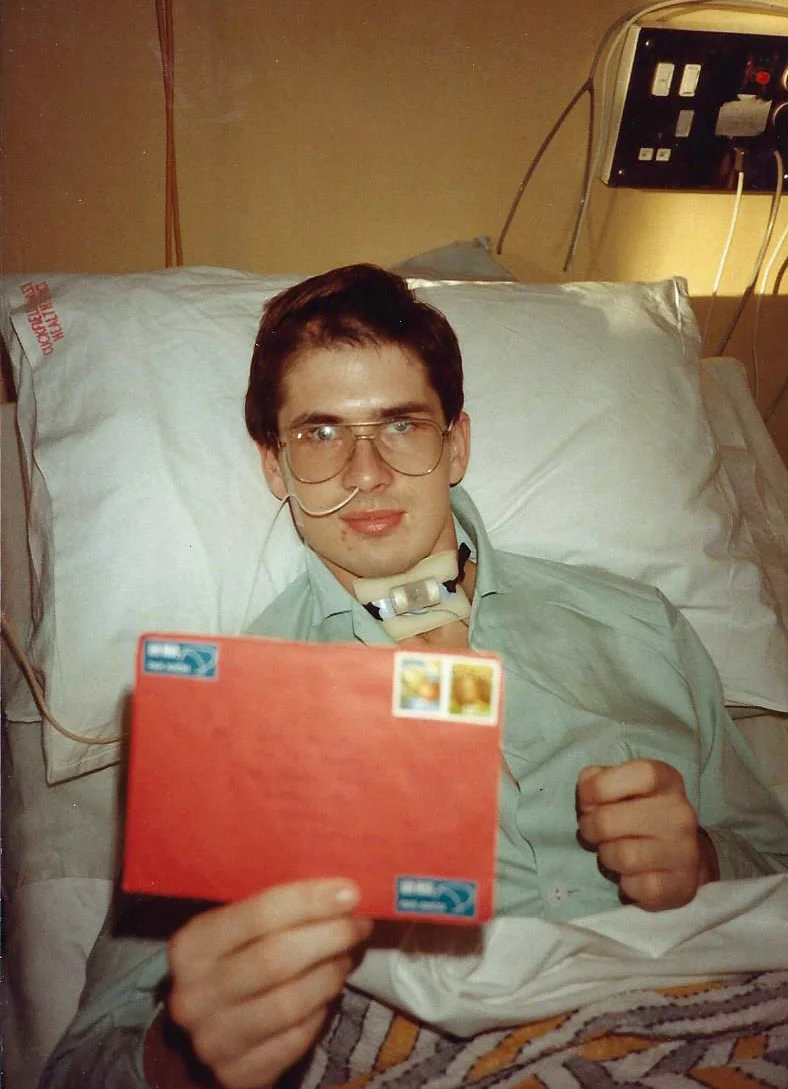

Dr John Murphy was given the last rites after a 1984 crash. He became an NHS psychiatrist for 22 years, and his book Mending My Brain tells how.
In December 1984 a 25-year-old junior doctor was given the last rites after his car hit a tree in Sussex. Doctors told his family he would probably not survive, and would never work again if he did. Dr John Murphy, who now lives in Windlesham, went on to spend 22 years as a psychiatrist in the NHS.
He has told the whole story in a book, Mending My Brain: A Doctor’s Recovery, first printed in October 2022. He sent it to The Guildford Post this week and asked us to use the photographs in it. Everything below comes from his book and his emails to us.
“I survived an unsurvivable accident,” he writes. “My recovery was up to me.”
The crash
On 9 December 1984 he was a junior doctor at the Middlesex Hospital in London. He had lunch with his mother in Horsham, then set off in her MG Austin Metro for an old boys’ rugby match at Worth School, where he had been a pupil.
“Perhaps in my eagerness to get there, I drove a little bit faster and more recklessly than I should have,” he writes. “I overtook the car in front of me. My car went out of control, left the road and BANG! I hit a tree.”
He remembers nothing of that day, the day before or the six weeks after. The impact broke his jaw on both sides. “My only injury,” he writes, “but an injury that affected my brain for the rest of my life.”
He was taken to Cuckfield Hospital and then to the neurological centre at Haywards Heath. A scan showed diffuse axonal injury: many small bleeds across the brain rather than damage in one place. Surgeons gave him a tracheotomy and removed part of his skull to relieve the swelling. His old headmaster at Worth gave him the last rites.
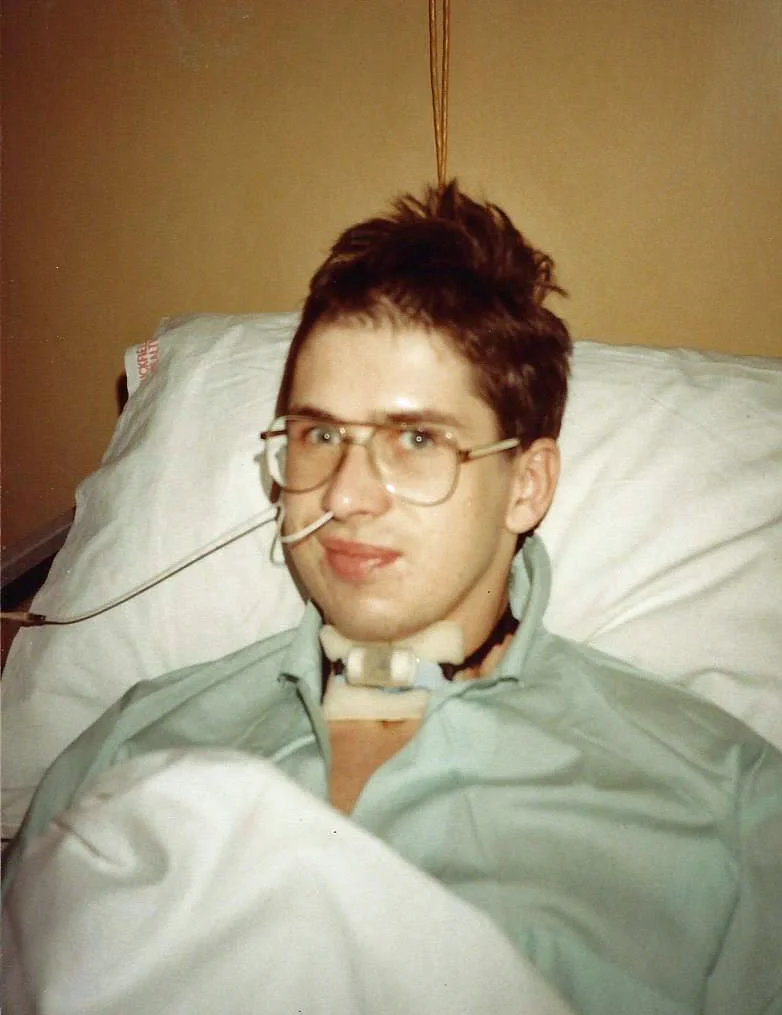
The neurosurgical team met his mother, sisters and brother. “John probably won’t survive, and if he does, he will be in a persistent vegetative state,” they were told. The best they could hope for was that he could look after himself. The doctor added: “The old John you knew has left you.”
His sister Maddie was living in Farnham at the time. Her memory of the news is in the book: “The next thing I recall was being told by the Dr that even if you did survive, you would most likely be dependent on others for everything. That was very challenging. I’m sure I couldn’t believe that it would really turn out that way.”
The woman at the roadside
A young woman driving the other way stopped. She put him in the recovery position, covered him with a blanket from her car and stayed with him until the ambulance came.
He did not know who she was for more than three decades. At a Worth reunion he learned that she was Jamie, the sister of a Worth boy, and the school put them in touch. Her letter to him closes the book.
“I arrived seconds after the accident,” she wrote. “I put you in the recovery position and had a blanket in my car which I covered you with. I tried to talk to you and reassure you. I wanted to be there in case you died because your family would know you hadn’t been alone.”
“They managed to stabilise you enough to take you away and that was that. I drove at about 20 miles an hour on the way home and didn’t overtake for about 10 years, seriously, and even now, I always feel a slight tremble as I do.”
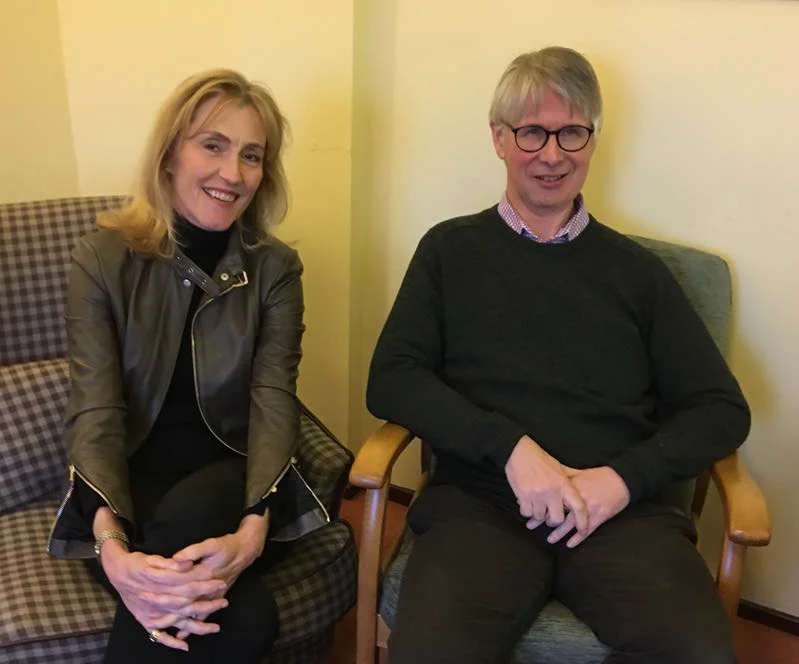
He is just as clear about everyone else. “It was the collective kindness, expertise and management from strangers on the roadside that day, the paramedics, A&E staff, neurosurgeons, the nurse that came in on her day off to ‘special’ me and the hundreds of unsung NHS staff involved in my care that kept me alive,” he writes.
Ten years on, working as a GP, he went back to the hospital. The ward sister sent him to find Mary Robinson, the nurse called in from her weekend off to look after him in intensive care. “I walked onto the ward, and she saw me and said, ‘John Murphy, I remember you.’”
Waking up
He was taken off the ventilator on Christmas Eve 1984. That same day Maddie, who had been visiting and asking him to squeeze her hand, felt a tiny movement. The nurses told her it could be a reflex. So she asked whether he wanted her to leave, and he squeezed again.
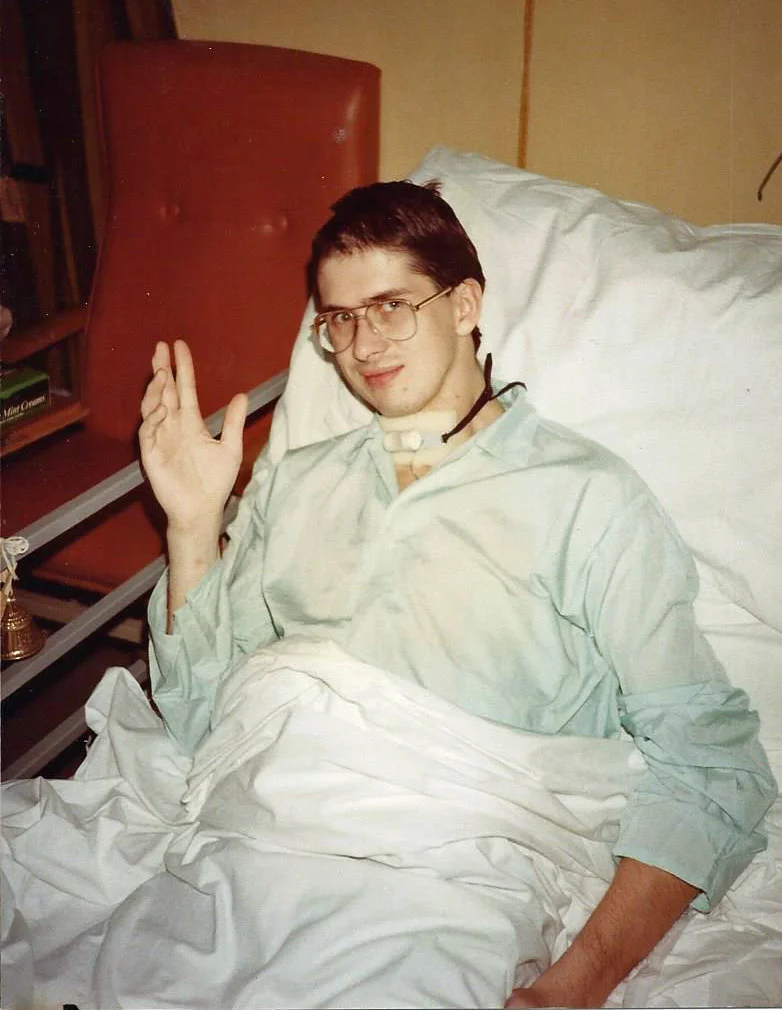
His jaw was wired, so the nurses tested him with a chart of pictures. He wrote “doctor” for a doctor and “nurse” for a nurse. For a telephone he wrote “jelly bone”. The nurses thought he was confused. His family knew better. “‘That’s John! That’s what he calls a telephone!’”
His eldest sister, Lauretta, flew in from Perth in Western Australia. “Seeing John was a mixed experience,” she writes. “I thought I could see a smile in his eyes which made me feel better, that he was pleased to see me. This was wrong. Apparently he was quite upset that as I lived in Australia, he must be hallucinating to see me.”
She flew home three weeks later, “fearful that I had basically lost my little brother”. She adds: “Over the next couple of years I was proved wrong. Slowly and steadily, John clawed back his life. My admiration for his achievement is beyond words.”
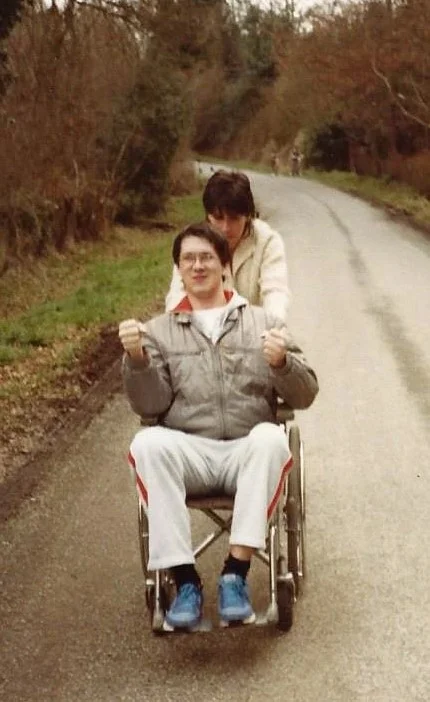
Learning to walk again
He left Hurstwood Park Hospital for his mother’s home in Horsham on 30 March 1985. He could wash and dress himself but take only a few steps. The damage had left him with a weakness down his left side and a pronounced limp.
He admits he did not grasp how much had changed. “I was still thinking at this stage that I would be back to work in a few days,” he writes. “‘Once I can walk again I can run again, and when I can run, I can play rugby.’”
One day his mother found him slumped in front of the television and asked, “John, have you given up?” He calls it “almost certainly the nudge I needed”.
On 9 April 1985 he went into the Wolfson Rehabilitation Unit at Atkinson Morley, the neurological branch of St George’s. His daily timetable was written on a card pinned to his tracksuit because his memory could not be trusted. He made an easel in woodwork to hold his newspaper, because of his double vision.
“Recovery depends on hard work; I didn’t understand that at the time,” he writes. “The more work I put in, the better the outcome would be. Even in the dark times, which everyone has, get through them in the knowledge things will improve if you try.”
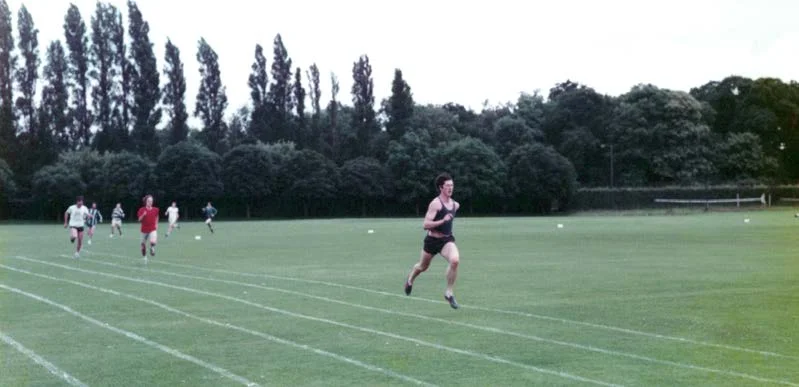
The new John
The injury to his frontal lobes changed his personality as well as his body. He became disinhibited, over-talkative and prone to telling jokes nobody else found funny. Years later, reading psychiatry textbooks, he found himself described. “My heart went cold because they described me!”
Strangers took his slurred speech and his balance for drunkenness. Once, walking home, a car of young men shouted that they had seen him in the pub. “I told them, ‘I’m not drunk, I’m disabled.’ The traffic lights changed, and the car sped off.”
He writes candidly about what has not come back. He still has a hole in his skull and a scar from the tracheotomy. He forgets new faces, gets lost in new places and cannot hold more than two or three things in his head at once. “My wife may say ‘Can you get three things from the supermarket’ and then may add ‘while you’re there, can you get me such and such’,” he writes. “The more she adds the less I remember, so I have to write things down.”
The hardest part, he says, was accepting it. “I was so keen to be that rugby-playing doctor again.” In time: “The new me is someone who is prone to disinhibition and is difficult at times, but more positively, I have become more patient, more philosophical, more accepting and more tolerant.”
His younger sister Cathy gave him the answer he needed when he asked whether he had changed: “Yes, John, you are different from the old John, but we love you just as much.”
Back to work
He went back to work in January 1987 as a house doctor at University College Hospital. It was too soon. Fatigue made acute medicine impossible, and after three months he was encouraged to step back from the front line.
“When Dr Johnson offered me the house job, he was confident I could do the work as I wasn’t showing any deficiencies with my clinical ability,” he writes, “but what we both hadn’t realised was that the acute clinical work environment would prove too challenging for me.”
He worked for about a year as a research assistant in a respiratory laboratory, with his own office so he could rest in the middle of the day. A professor of psychiatry noticed him on a ward round and gave him a reference. That led to psychiatric training at Claybury Hospital in Essex, rotating to UCH and the Middlesex.
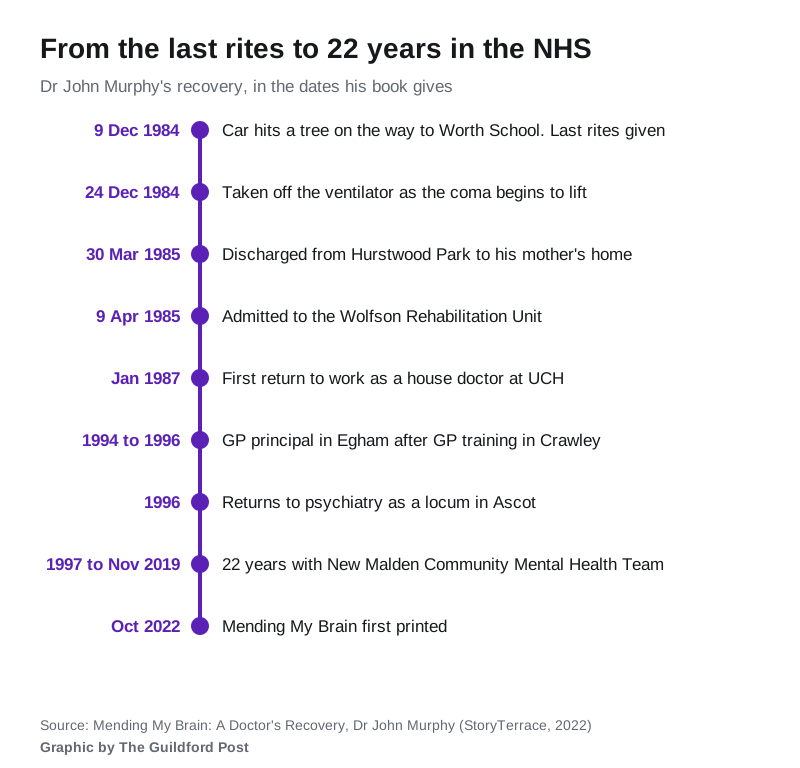
According to the book, his career then ran:
- 1994: completed GP training in Crawley
- 1994 to 1996: GP principal in Egham
- 1996: back to psychiatry as a locum in Ascot
- 1997 to November 2019: career grade psychiatrist with the New Malden Community Mental Health Team, 22 years, until he retired
In his email to us he said: “I live in Windlesham, I worked in Kingston and I did out-of-hours work all over the southeast of England.” He added that he carried out many psychiatric assessments across Surrey, as well as in Berkshire and Sussex.
“Don’t think what you can’t do, think what you can do,” he writes. “An analogy I like to use is, ‘You can’t drive forward looking in the rear-view mirror.’”
Sarah, Louis and Hugh
Sarah had been a junior staff nurse on the vascular surgery ward in 1984, before the crash. “Sarah knew me before the accident; she knew the real me,” he writes. They got together at New Year 1986 to 1987. He turned up at her door just before midnight wearing bunny ears from a party.
In April 1992 he asked her father, a former Gloucester rugby player, for permission to marry her. “He replied, ‘Is this some sort of April Fool’s, John?’ I didn’t think of it!” They married that September.
Their sons are Louis, now an anaesthetist, and Hugh, an accountant.
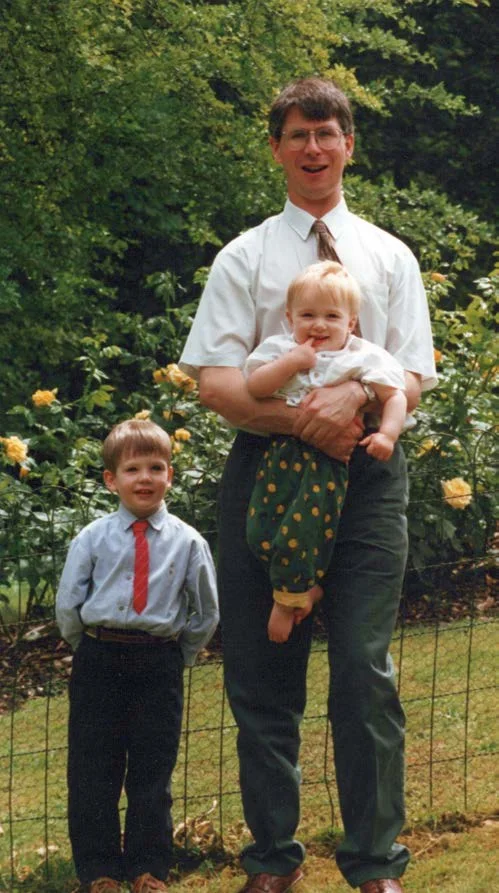
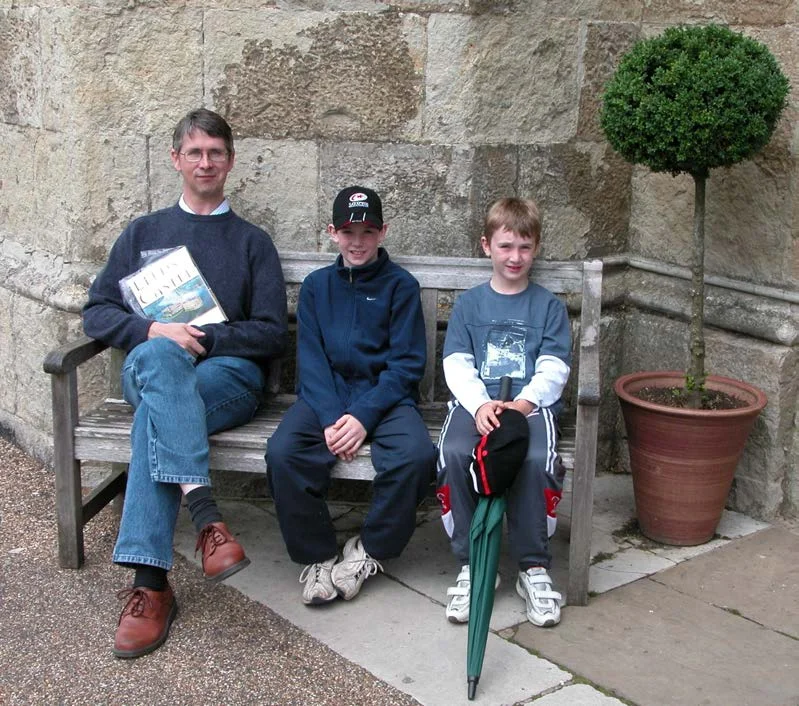
Louis wrote the book’s postscript. “When Dad asked Hugh and me to write a paragraph for his book, he thought we’d talk about how we were embarrassed by him growing up. None of my memories of Dad are of embarrassment,” he writes. “Instead, they’re of a dad who worked exceptionally hard for his family and who when he came home had a deep commitment to having fun.”
He remembers flour-based explosions in the garden, a stuffed banana thrown across the living room, and two Jehovah’s Witnesses found at the kitchen table being taught Darwin. He also credits his father with “his management of a significant portion of southwest London’s mental health burden over thirty years”.
“Far from being embarrassed by him, I’m immensely proud of him, and I wouldn’t change him for the world.”
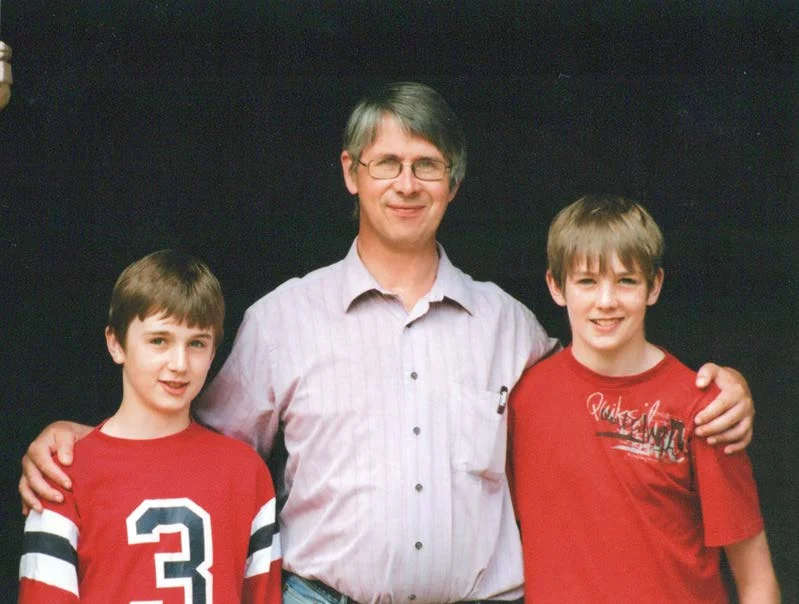
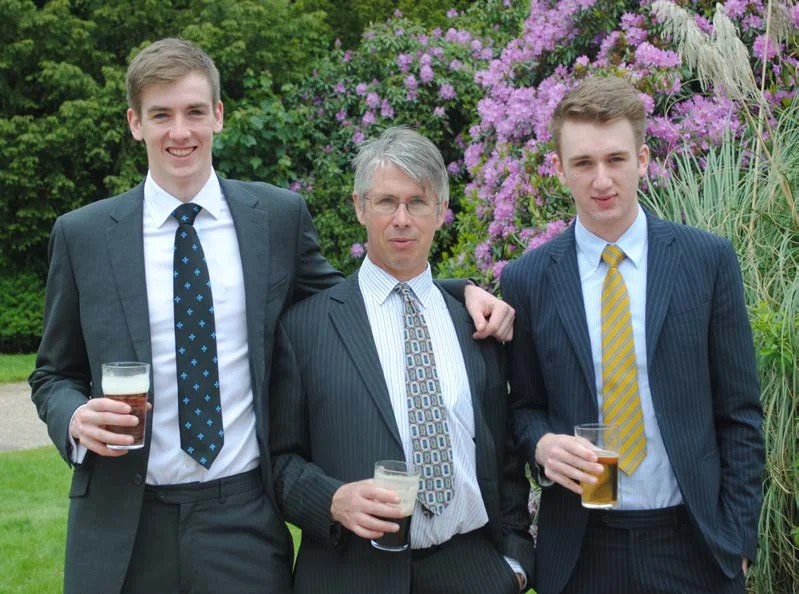
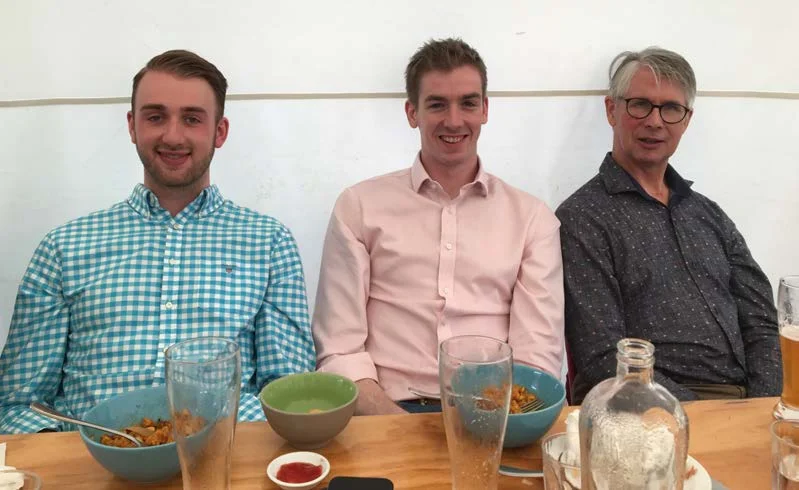
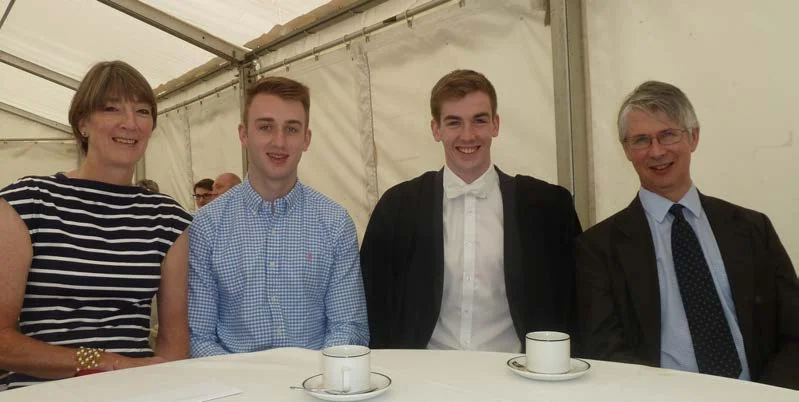
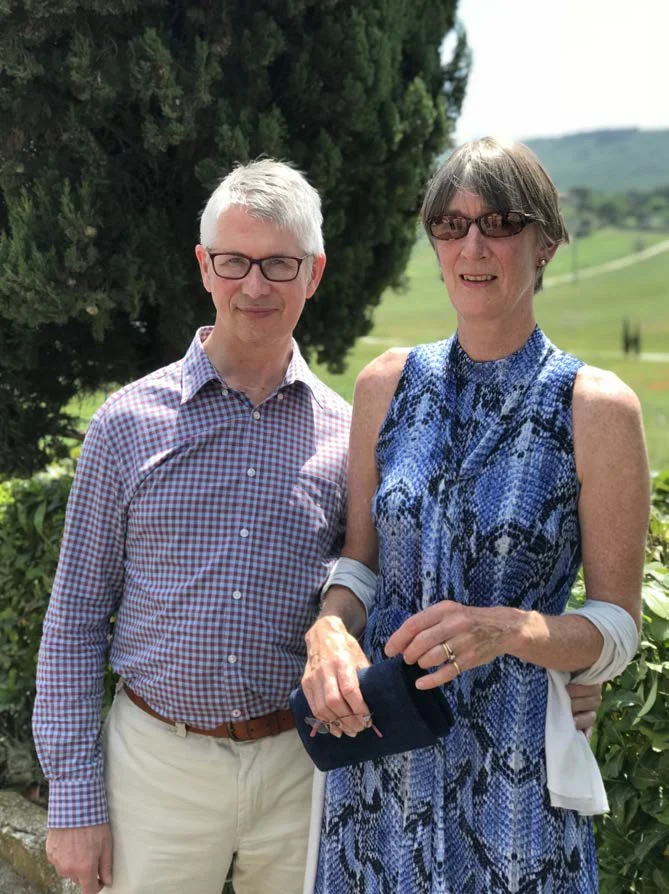
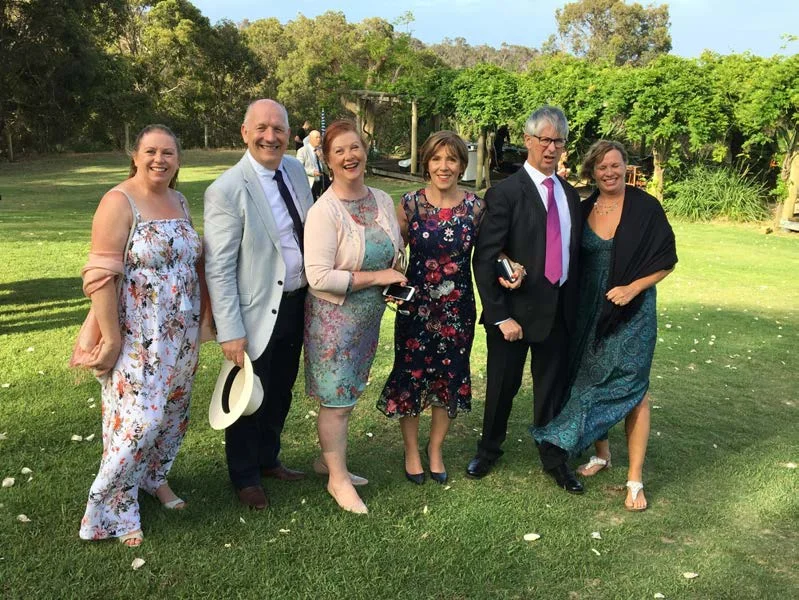
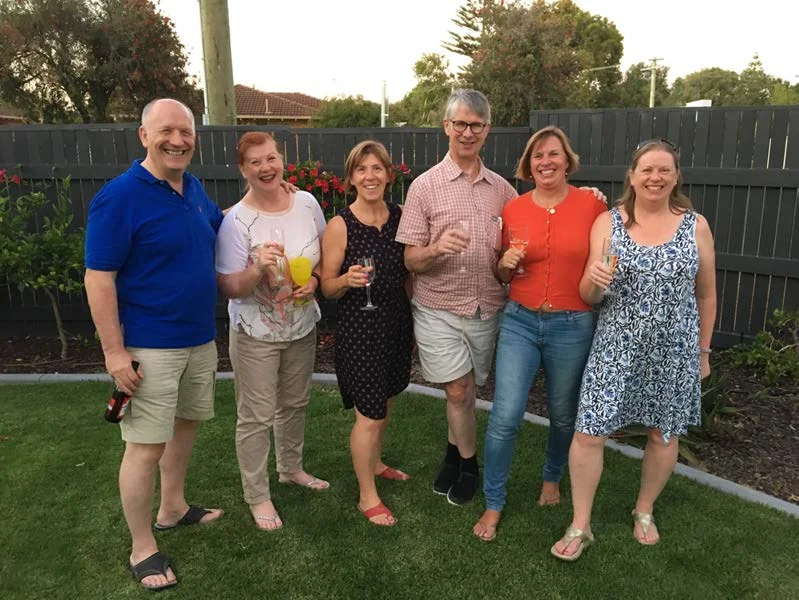
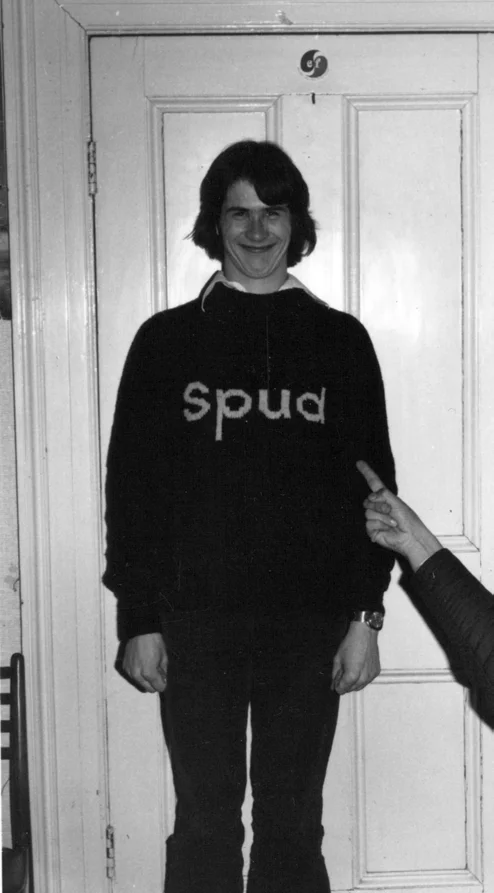
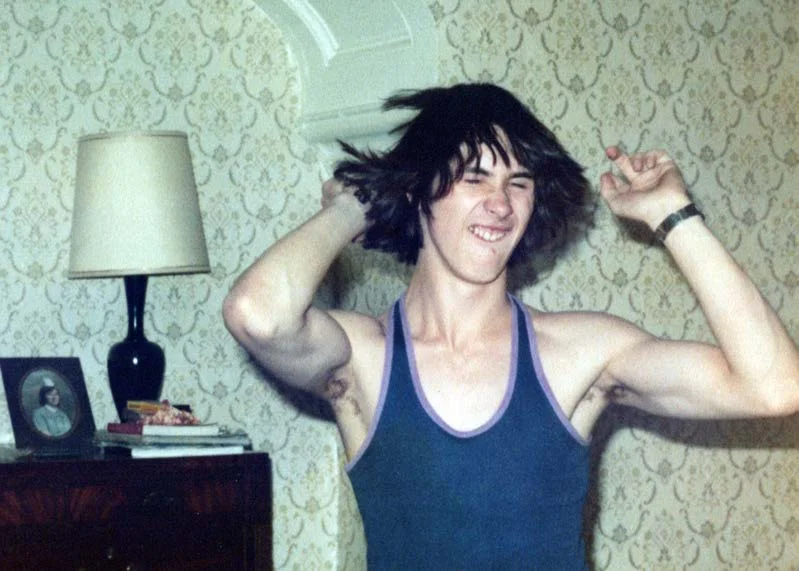
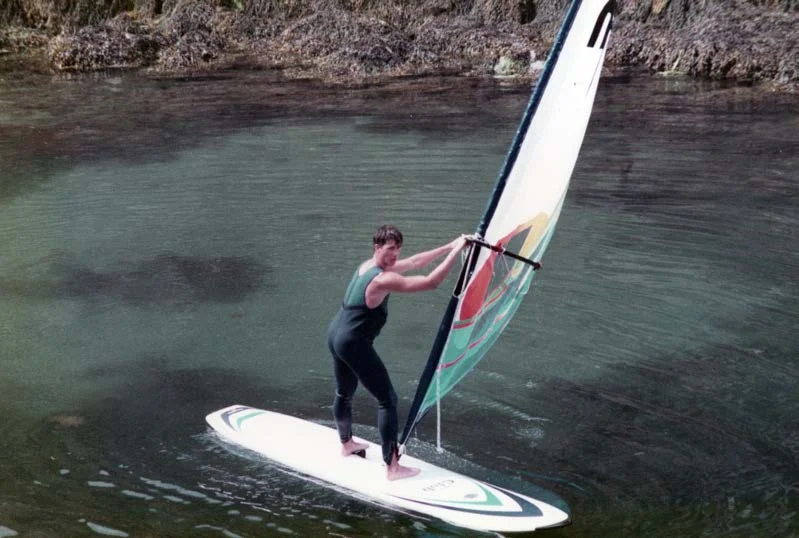
Before the crash: Spud
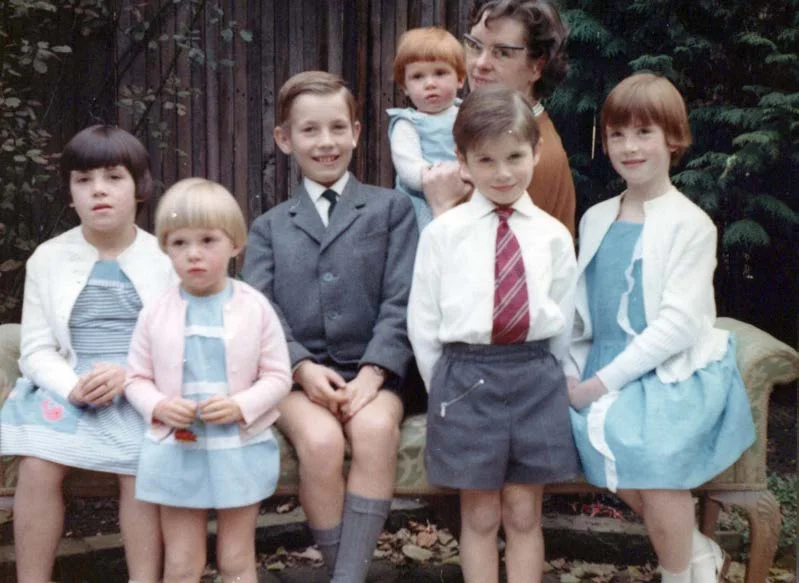
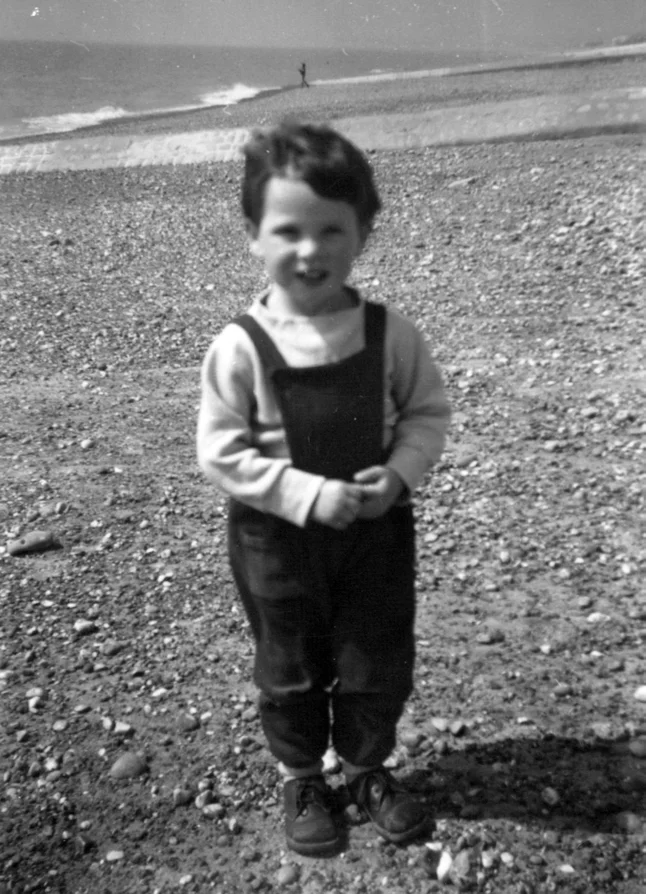
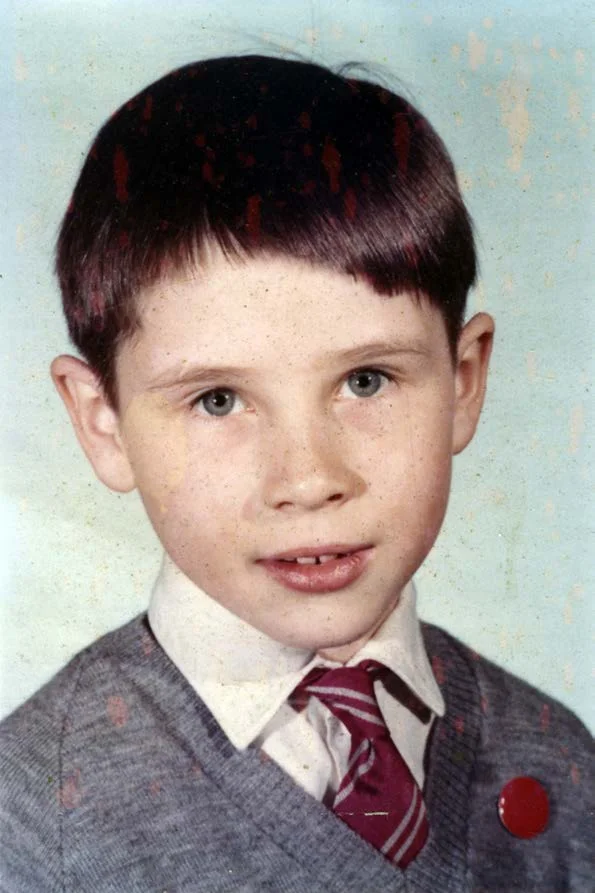
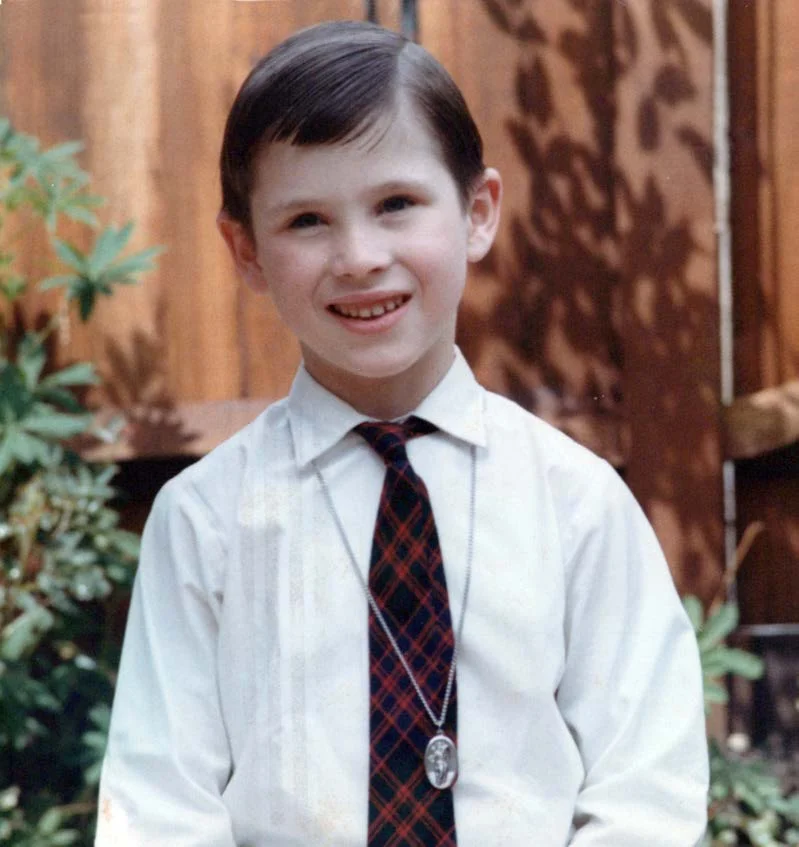
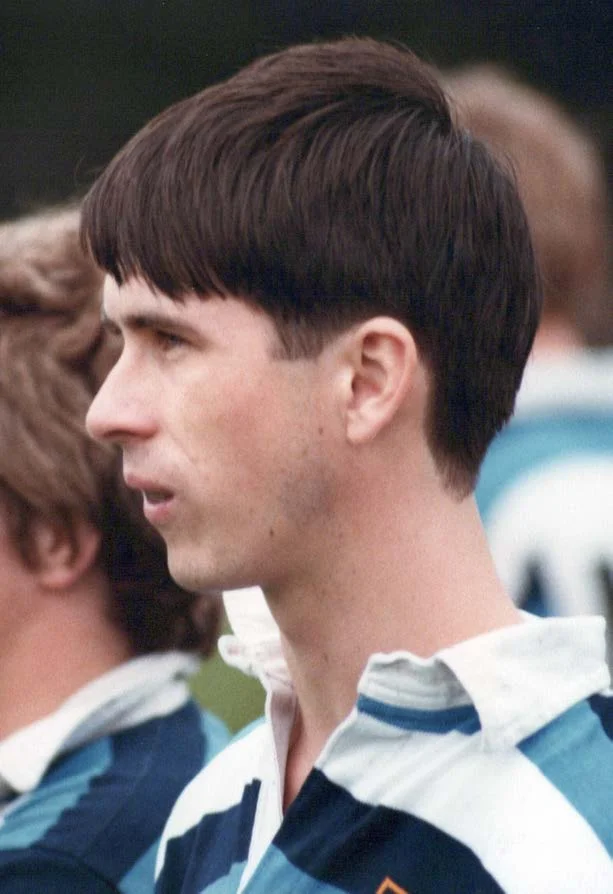
A Latin teacher at his London prep school named him Spud when he was seven, and it stuck. He went to Worth School, left in 1977, and read medicine at Caius College, Cambridge, from 1978 to 1981. He played rugby on the wing for Cambridge and for the Middlesex Hospital. The book opens with the photographs of that life.
Why he wrote it
“Early in my recovery I promised myself I would use my relatively unaffected communication skills to explain exactly how it was to suffer an extremely severe brain injury and give my unique insight into getting back to work as a doctor,” he writes in the foreword.
“Whether I mend my brain partially or completely is yet to be established, but it is my hope that in sharing my personal story I can offer support to others in their recovery from brain injuries.”
He says he has presented his case at medical meetings. He went to monthly meetings in London with the brain injury charity Headway, and the book says he has since become a committee member.
“I am quite satisfied with my recovery, but I’m not sure the process of mending my brain is as complete as I’d like; it’s still a work in progress,” he writes. “Yet fondly, I will continue to dream about Spud, playing rugby.”
What it means for you
If someone you love has had a brain injury, his book is written for you as much as for them. The points he returns to most:
- Recovery is slow and it keeps going. “Recovery lasts forever after these sorts of injuries, but your life is what you make it.”
- Early reassurance can be too rosy. “The outcome is often initially too optimistic: they’ve survived, everything will be OK. Not always.”
- Going back to work needs a gradual start. He went back “in at the deep end” and it failed; with rest breaks and a slower route it worked.
- Rest is part of the work. “Take appropriate periods of rest.”
- You are not alone. He found support through Headway, the brain injury charity.
“Traumatic injury is something you hear that happens to other people; it doesn’t happen to you,” he writes. “My father’s story was inspirational to me and I hope mine is for you.”
Have your say